Subtotal $0.00


 aaaaaaaaaaaaaaa
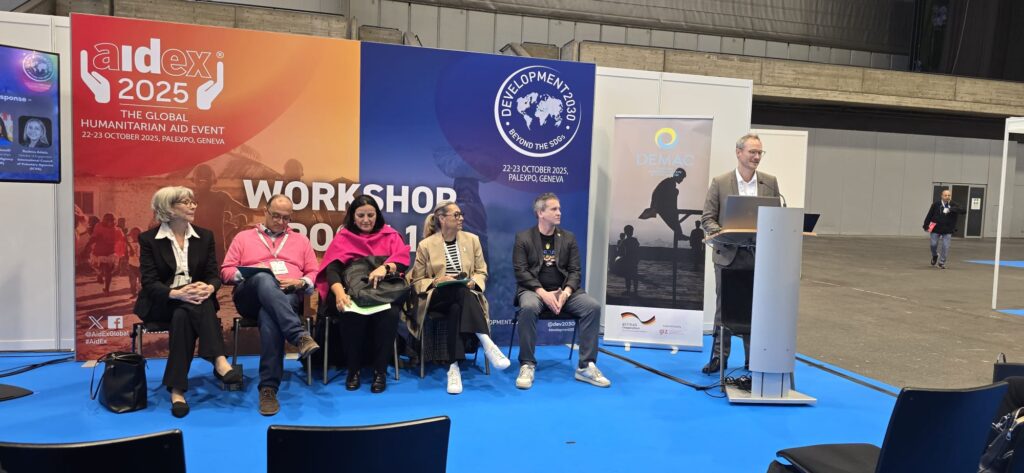
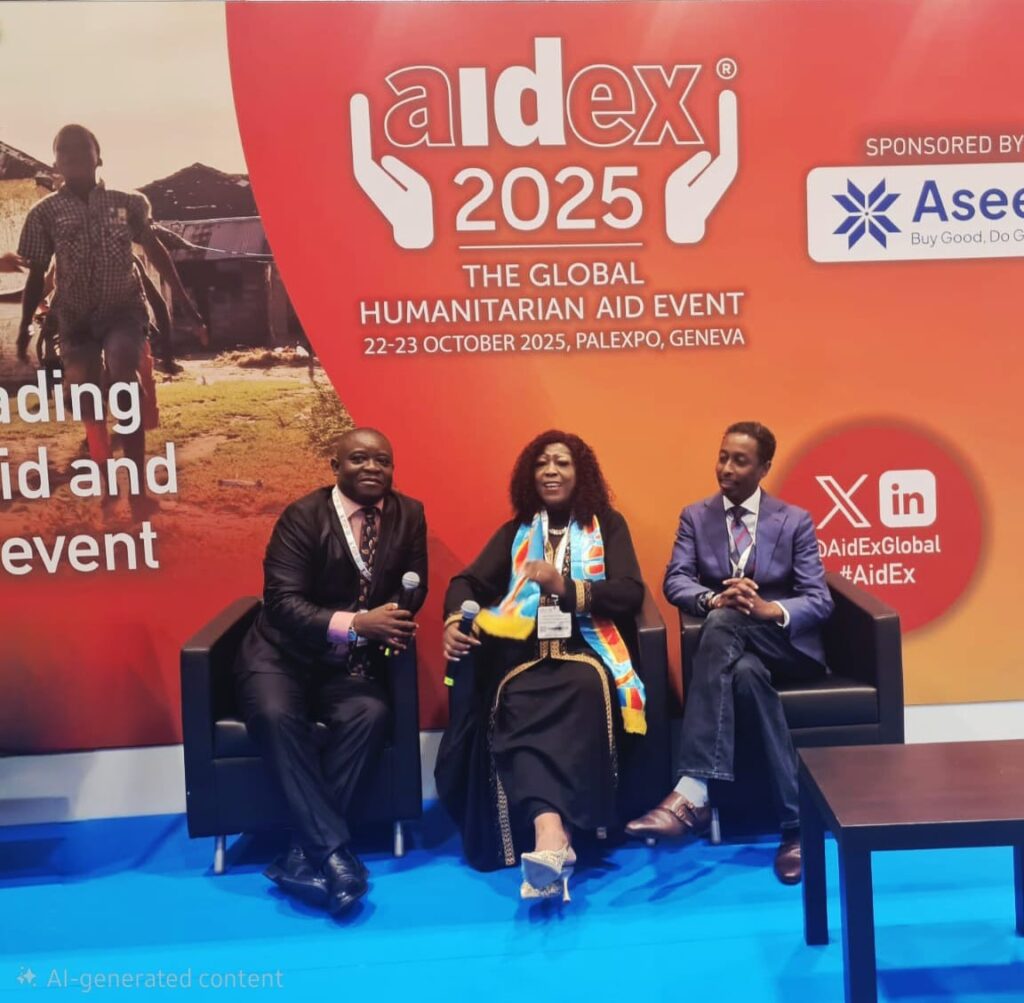
In Geneva, at AidEx2025, the humanitarian sector gathered not only to exchange ideas but also to confront its future.
Throughout two days of dialogue, one truth resonated in every session: the system must change, and that change must start with trust.
Local and diaspora actors—including Somali national NGOs and the Somali Diaspora Advocacy Working Group—did not come seeking space; they came to claim it. With clarity and courage, they challenged a system that often sidelines those closest to the crisis. They spoke not of inclusion as a mere gesture, but of leadership as an inherent right.
The discussions covered a wide range of topics—climate resilience, ethical leadership, gender justice, and financing reform—but a common thread connected them all: dignity. Dignity in how decisions are made. Dignity in how funding is distributed. Dignity in how communities are perceived—not as mere beneficiaries, but as architects of their own futures.
AidEx provided a platform, while local actors presented a blueprint: pooled funds to reduce fragmentation, multi-year financing that honours time and trust, and partnerships that begin with listening. These are not just technical fixes; they are moral commitments.
The conclusion was clear: future-proofing humanitarian aid is not solely about innovation; it’s about rebalancing power. It’s about building systems that reflect the wisdom, priorities, and leadership of those who have long borne the burden of response without the authority to shape it.
AidEx2025 was more than just a conference; it was a reminder that trust is not a risk—it is the foundation. Dignity is not simply a theme—it is the standard.
aidex2025
Development2030
Diasporaengagement